
Orthopaedic implants have evolved significantly over the past few decades, moving from basic mechanical solutions to highly engineered systems designed for precision, durability, and improved patient outcomes. As technology continues to advance, the future of orthopaedic implants is being shaped by innovations that enhance surgical efficiency, reduce recovery time, and improve long-term performance.
1. Advanced Biomaterials for Better Performance
One of the most critical developments in orthopaedics is the use of advanced biomaterials. Traditional materials such as stainless steel and titanium remain widely used, but newer materials and coatings are improving implant longevity and compatibility.
Modern implants are now designed to:
- Reduce the risk of corrosion and wear
- Improve biocompatibility
- Enhance osseointegration (bone bonding)
These advancements lead to better stability and reduced chances of implant failure over time.
2. Patient-Specific Implants and Customisation
The shift toward personalised healthcare is influencing orthopaedic implant design. With the help of imaging technologies and digital modelling, implants can now be tailored to match a patient’s anatomy more accurately.
Benefits include:
- Improved fit and alignment
- Reduced surgical complications
- Faster recovery times
Customisation is especially impactful in complex procedures such as joint replacements and reconstructive surgeries.
3. 3D Printing in Implant Manufacturing
3D printing (additive manufacturing) is transforming how orthopaedic implants are produced. This technology allows for the creation of complex geometries that were previously difficult or impossible to manufacture.
Key advantages:
- Lightweight yet strong structures
- Enhanced surface design for better bone integration
- Faster prototyping and production cycles
As the technology matures, it is expected to play a major role in both standard and customised implant solutions.
4. Minimally Invasive Surgical Compatibility
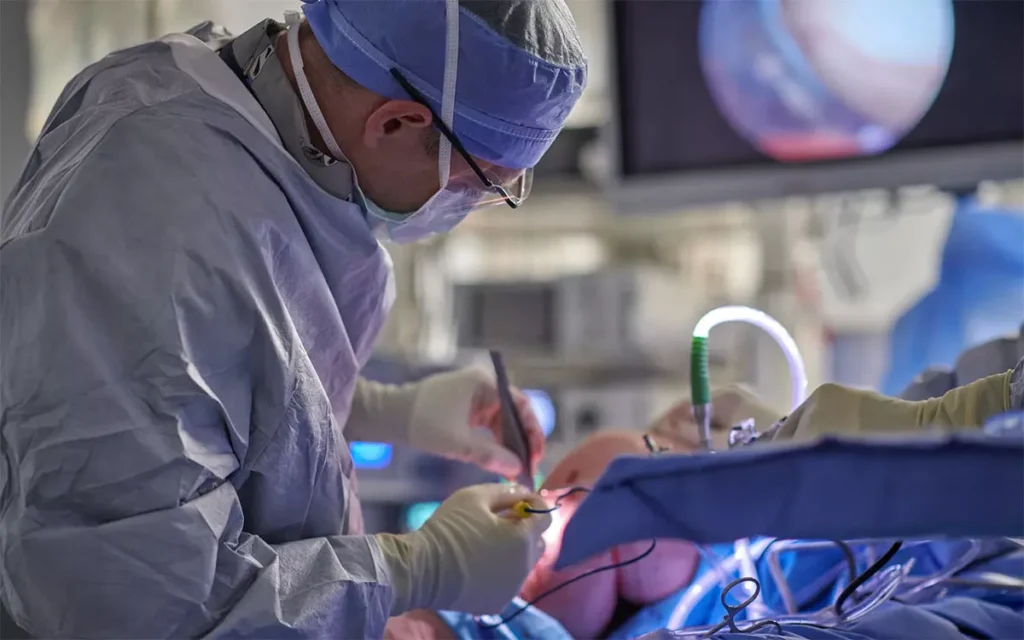
Modern implant systems are increasingly designed to support minimally invasive surgical techniques. This shift reduces tissue damage and improves overall patient recovery.
Implants are now being developed with:
- Smaller profiles
- Simplified instrumentation
- Improved ease of insertion
These features contribute to shorter hospital stays and quicker return to normal activities.
5. Smart Implants and Digital Integration
Emerging technologies are introducing the concept of smart implants equipped with sensors. These implants can monitor parameters such as load, movement, and healing progress.
Potential benefits:
- Real-time patient monitoring
- Early detection of complications
- Data-driven post-operative care
Although still in early stages, smart implants represent a significant step toward integrating digital health with orthopaedic care.
6. Focus on Long-Term Outcomes and Sustainability
Manufacturers are placing greater emphasis on long-term performance and sustainability. This includes:
- Designing implants with extended lifespan
- Reducing revision surgeries
- Improving manufacturing efficiency and waste reduction
The goal is not only better patient outcomes but also more sustainable healthcare practices.
Conclusion
The future of orthopaedic implants is being driven by innovation across materials, design, and technology. From personalised implants to smart monitoring systems, these advancements are transforming the way orthopaedic procedures are performed and experienced.
As the industry continues to evolve, the focus remains on delivering solutions that combine precision, reliability, and improved patient outcomes—ultimately shaping the next generation of modern surgery.